
Kundalini, as described in the scriptures, rests in the form of a small snake curled three and a half rounds within the base chakra (also known as the Muladhara chakra), which is located somewhere in the sacrum. Other schools of thought say that kundalini lays dormant in the the coccyx and other in the perineum. Vedic phenomenology affirms that the arousing of the Kundalini is related to an inner magnetic energy that the yogi gradually learns to manifest. For a true yogi, Kundalini is a sacred gift and a doorway into supreme Realization.
One gains entry through that portal by gradually becoming aware of the hidden workings of the unconscious mind.

As Carl Jung stated in The Psychology of Kundalini Yoga,
“To activate the unconscious means to awaken the Divine Kundalini – to begin the development of the supra-personal within the individual in order to kindle the light of the gods.”
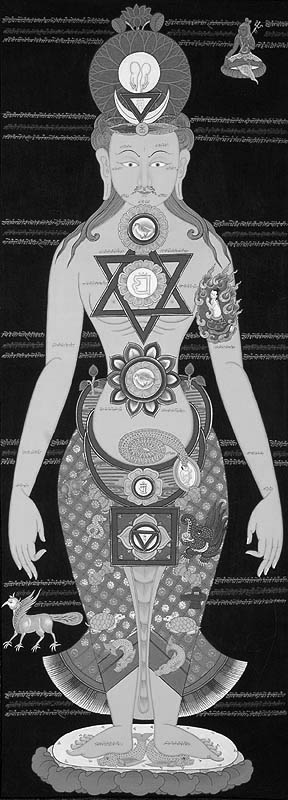
Kundalini has been given various names by different religions and spiritual groups.
Sufis, when they swirl and fall to the ground in ecstasy, are experiencing Kundalini manifestations. Quakers describe some of the symptoms of spiritual awakening as ascending electric tingling or vibrations that arise up the back; this itself is identical to some of the descriptions in some Indian texts.
Buddhists in India and Tibet are also quite familiar with the Kundalini energy, and harness it through practices known as Tumo, which generate inner heat that allows them to survive in the low temperatures of the Himalayan Mountains.
Taoists also use this energy in meditation, and martial artists try to awaken it through the Kiap (scream). Advanced Tai Chi practitioners consciously move this energy through their meridians during their practice. Jewish experience it during their torso-rocking prayer. Eastern Orthodox Christians portray in detail the symptoms of Kundalini awakening, they call it “the quivering.”
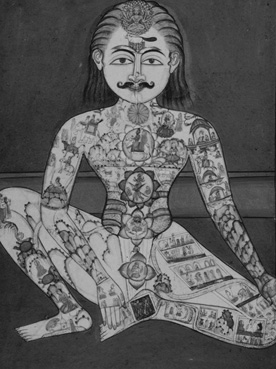
According to yogic belief, when the Kundalini awakens, it rises from the Muladhara chakra up through the inner spinal canal (Sushumna), and on its way to the top of the head purifies and illuminate each of the chakras within the spinal column. When it finally reaches the thousand-petaled Sahasrara at the crown of the head, the Kundalini energy causes that chakra to blossom, and in that moment, full Enlightenment takes over the mind of the yogi.
During yoga practice, as the rising Kundalini touches and gradually awakens every psycho-spiritual center, mystical powers (siddhis) will begin to develop in the yogi.
Virtually all sacred texts say that siddhis (psychic powers) are a hindrance to the yogi. Neither yoga masters, self-realized gurus, new age writers or even authors in the field of Transpersonal Psychology recommend employing any of these powers without the direct supervision of someone who has already mastered the path to completion. The problem is that the use of siddhis almost always exacerbates the ego, and the true goal of yoga is the eradication of such ego, and certainly not its enhancement. We are not practicing yoga in order to become more powerful than others, but to completely destroy the illusion of ‘the individual I’ and therefore realize the supreme Self, which pervades and transcends everything.

It is of utmost importance therefore, that we do not practice yoga as a means to gain siddhis, or as some kind of competition, nor should we try to evaluate the spiritual development of others exclusively by considering the skills they may have gained through yoga practice, or by any kind of charismatic or spiritual power they might have.
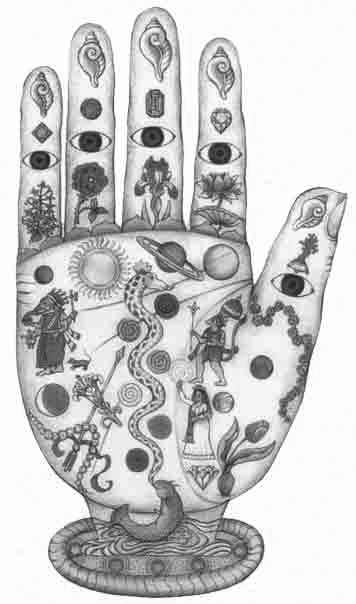
As a path to full awakening, the path of Yoga encourages practitioners to first practice asanas, gently and carefully, and gradually include retention of breath and bandhas (yogic body locks) along with the asana practice. This is quite safe, and will gradually prepare the physical and astral bodies for the great ascension of Kundalini.
Pranayama and mudras are more complicated to practice, they are potentially risky, and should therefore be practiced only with an experienced guide and with utmost care. This third volume of the Yoga Adityam series gives a detailed presentation of pranayama techniques. Of course, we assume that those who have reached and bought this volume already have a Yoga teacher to guide them, and are physically and psychologically prepared to begin the practice of pranayama.